
Modern Slavery

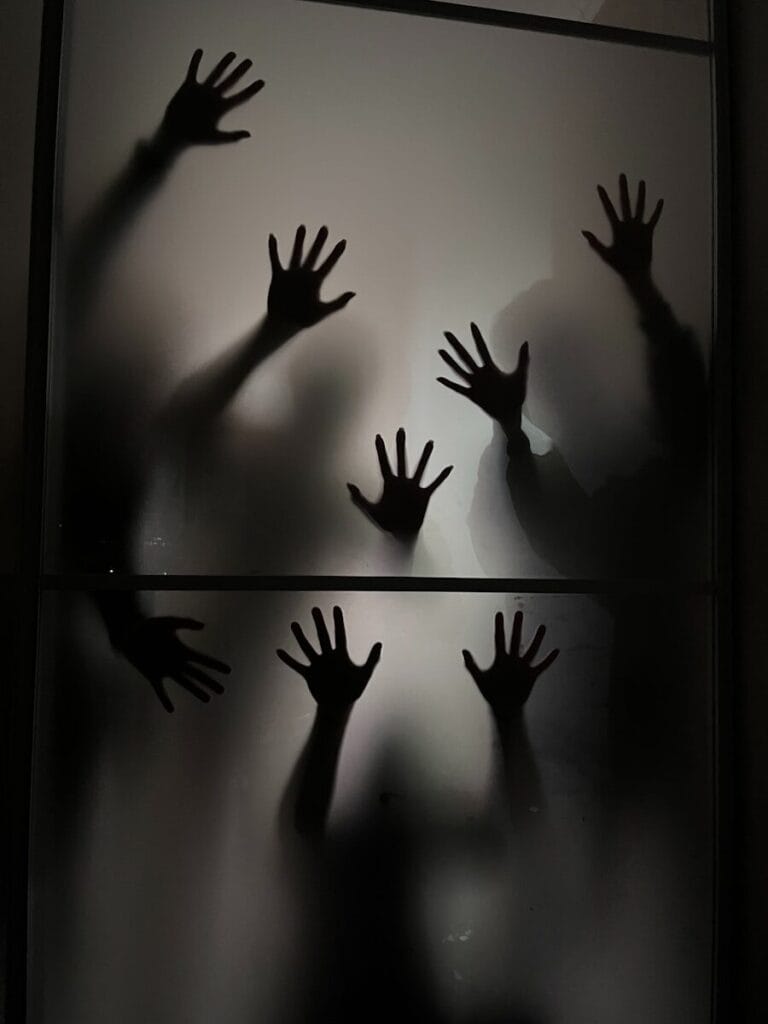
The shadow of a person's hands on a glass door

No Middle Ground: Why Beyond Salvation Is Black and White

There is no grey in slavery. A person is either free or they are not. They are either safe or they are being sold. There is no soft, ambiguous, in-between state where a trafficked child is “a little bit” a victim, or a little bit rescued. It is black, or it is white. That is why this platform looks the way it does now – no colour, no softness, just the redaction bar cutting across the page like the black marker on a classified file, because that is closer to the truth of what is happening than any warm, comfortable colour palette could ever be. We didn’t choose black and white because it looks striking. We chose it because it is honest. The math that should terrify us Yes, we can save some. Rescues happen. Survivors testify. Organizations intervene, laws get passed, safe houses open their doors. That is real, and it is good, and it matters. But ask the harder question: if we can save some, why are so many still falling? Why does every rescue seem to open onto ten more names we never hear? The uncomfortable answer is that rescue alone was never going to be enough. You cannot rescue your way out of a crisis this size. You can only get ahead of it or you keep arriving after it’s too late, one funeral or one unsolved case at a time. That is the point of no return we are talking about. Not that the fight is lost but that “business as usual” awareness, a shared post here, a hashtag there, is no longer proportionate to what’s actually happening. The scale has outrun the response. We don’t get to wait until it’s someone we love We’ve all heard someone say it: “I would go to any lengths to save my wife. My daughter. My son.” We say it with total conviction, and we mean it. But here is the uncomfortable truth in that sentence, it’s conditional. It waits for the tragedy to become personal before it becomes urgent. Beyond Salvation exists to close that gap. We don’t have the right to wait until trafficking has a face we recognize before we treat it like the emergency it already is. Somebody’s wife, daughter, son is being taken right now – being born into it, dying in it, discarded when they’re no longer useful to the people exploiting them. That is not a future risk. That is tonight. Proverbs puts it in terms that don’t leave room for excuses: “Deliver those who are drawn toward death, and hold back those stumbling to the slaughter. If you say, ‘Surely we did not know this,’ does not He who weighs the hearts consider it? He who keeps your soul, does He not know it, and will He not render to each man according to his deeds?” — Proverbs 24:11–12 That verse was written for people exactly like us – comfortable enough to look away, and honest enough to know it. The heart of the Father on this issue God is not neutral about justice. It is not a side issue in Scripture – it’s woven through the character of who He is. “The Spirit of the Lord GOD is upon Me, because the LORD has anointed Me to preach good tidings to the poor; He has sent Me to heal the brokenhearted, to proclaim liberty to the captives, and the opening of the prison to those who are bound.” — Isaiah 61:1 “Defend the poor and fatherless; do justice to the afflicted and needy. Deliver the poor and needy; free them from the hand of the wicked.” — Psalm 82:3–4 “He has shown you, O man, what is good; and what does the LORD require of you but to do justly, to love mercy, and to walk humbly with your God?” — Micah 6:8 If that’s the heart of the Father, it has to become the heart of His people. Not a passive sympathy – an active, uncomfortable, inconvenient pursuit of the captive’s freedom. Unrest is an open door There is a pattern worth naming plainly: when there is unrest – protests, disturbances, chaos in the streets – traffickers don’t hide. They move. Confusion is cover. Distracted police, distracted communities, distracted families – every point of chaos is an opportunity for someone looking to exploit it. The very moments we think are about justice can, without vigilance, become the moments that make more victims. Why the world is getting worse It’s tempting to believe the world is getting worse because there are more bad people in it. That’s not the whole story. The world is getting worse because good people have gone quiet. We’ve settled for the bare minimum – a share, a repost of a missing person’s flyer, a moment of outrage that fades by the next scroll. We’ve even let trafficking become entertainment – something we watch dramatized on a screen with popcorn in hand, and then close the laptop and move on with our evening, having felt something without having done anything. Awareness without urgency is just content. And Beyond Salvation isn’t here to add to the content. We’re here to disturb the comfort that lets this keep happening in silence. Black and white, because it is that serious So the design is simple. No colour to soften it. No middle ground to hide in. Just the stark clarity of what’s true: someone is being sold right now, and the measure of our compassion isn’t how we feel about it – it’s what it costs us to respond. This is not a call to despair. It’s a call to urgency, obedience, and the kind of love that goes looking before it’s forced to. John TholeJohn Thole is the voice behind Beyond Salvation, a blog that captures the highs and lows of life through faith, laughter, and honest reflection. With a passion for storytelling, technology, and spiritual growth, he creates content that resonates with seekers, believers, and

No Middle Ground: Why Beyond Salvation Is Black and White Read More »

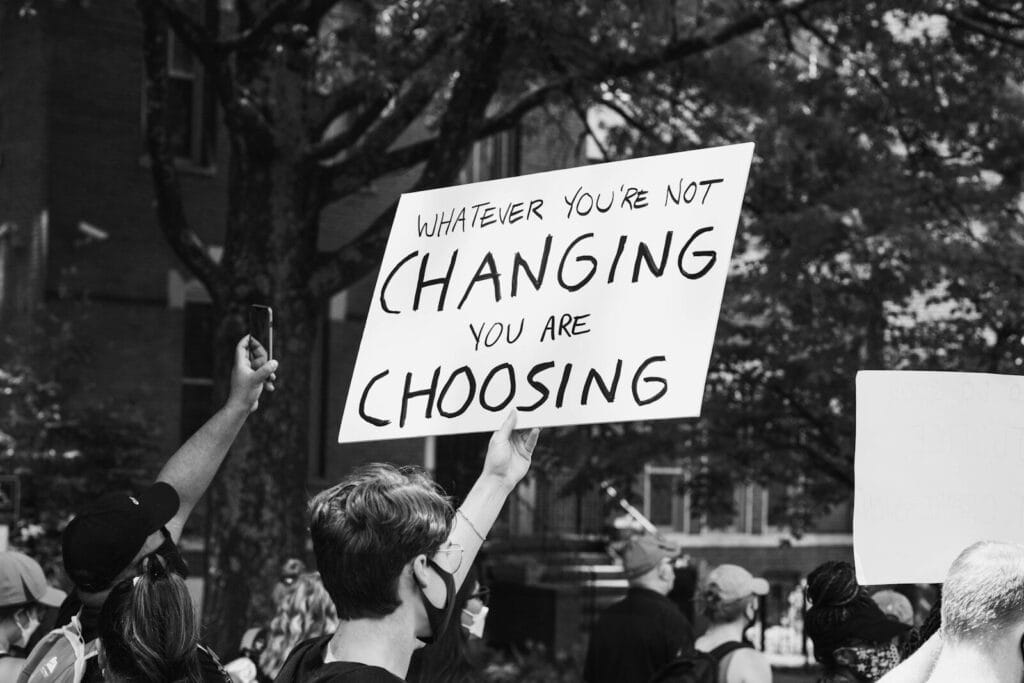
grayscale photo of people holding a signage

The Enemy We Refuse to March Against

More than 100 000 people took to the streets of Durban on 30 June, March and March. Banners. Chanting. Traditional weapons raised in the sun. A whole day given to one cause. Say what you want about the march itself, that’s not mine to judge. It’s not my place to tell a nation what it should or shouldn’t be angry about, and I won’t pretend I have the standing to. I’m not writing this to tell you the march was right or wrong. I’m writing this because while a nation found the zeal to march for a whole day, something far more evil has been operating in the same streets, the same taxi ranks, the same job adverts, the same church pews, for years, and it barely gets a hashtag. We keep fixing symptoms. We are not touching the root. We Always Need Someone To Blame This is not a South African problem. It’s a human problem. When things fall apart, when jobs disappear, when crime rises, when our children aren’t safe, we go looking for someone to blame. And if we can’t find the real culprit, we settle for the closest, weakest, most vulnerable target we can find. In South Africa right now, that target is the undocumented foreigner. Yes, there are Nigerian trafficking syndicates operating here. That’s documented, that’s real, and it should be named. But there are also Zimbabwean syndicates, South African syndicates, Malawian syndicates, and syndicates from literally every nation on earth. Human trafficking is not a black problem, not a foreign problem, not an African problem. It is a sin problem wearing whatever passport is most convenient that day. We are an easy target for division because we are not unified. I’m not calling for unity today, even though I wish I could. What I am calling for is a redirection. Because the truth none of us want to sit with is this: protests will not end human trafficking. They are a perfect distraction, and traffickers know exactly how to capitalise on a divided, distracted nation. The Numbers Nobody Marched For Every day, people go missing in this country. Some are trafficked. Some are killed and disposed of. Men, women, children. Every race, every age, every background. There is no single face to this crime, which is exactly why it hides so well. Globally, an estimated 49.6 million people are trapped in modern slavery right now, while you read this sentence. Every 30 seconds another person is added to that number. South Africa is not exempt. It is a source, transit, and destination country for trafficking, and our porous borders, our unemployment, our corruption, and yes, our chaos and displacement, make us fertile ground for it. Here’s the question I can’t shake: if we can mobilise 100 000 people to march for an entire day, what could we mobilise if that same fire was pointed at the traffickers who are actually stealing our people? I’m not saying march up to a trafficking syndicate and confront them head-on. That endangers the very victims we’d be trying to save. But imagine if that same manpower went into rescue operation support, into training communities to recognise the signs, into pressuring government for a properly funded anti-trafficking unit instead of a reactive one. Imagine if just one person out of that 100 000 gave R5 to an organisation actually doing the work. Imagine how many people could come home before it’s too late for them. Human trafficking, tangled together with corruption, is one of the biggest threats we face as a nation. And it is consistently the last thing we organise a march for. Displacement Feeds The Very Thing We’re Trying To Fight Here’s the part that grieves me most. The more we destroy communities, burn shops, and displace people in the name of “fixing” the country, the more vulnerable people we create. Fear pushes people into hiding. Hiding pushes people into the shadows. And traffickers thrive in the shadows. They don’t need us to look away completely, they just need us looking somewhere else for a while. If we keep fighting symptoms instead of roots, where does that actually lead us? Not to freedom. Just to a different kind of captivity, dressed up as a solution. This Fight Is Spiritual First “For we do not wrestle against flesh and blood, but against the rulers, against the authorities, against the cosmic powers over this present darkness, against the spiritual forces of evil in the heavenly places.” — Ephesians 6:12 I want to be careful here, because I’m not saying the people trafficking human beings aren’t flesh and blood, they very much are, and they will answer for it. But behind the flesh and blood is a spirit of greed and exploitation that has been dressing itself up in new disguises since the beginning of time. You don’t defeat that with sticks and machetes in the street. You defeat it first on your knees, where you get the wisdom and the empowerment to actually use what God already put in your hands, whether that’s resources, time, a platform, or leadership. “The Spirit of the Sovereign Lord is on me, because the Lord has anointed me to proclaim good news to the poor. He has sent me to bind up the brokenhearted, to proclaim freedom for the captives and release from darkness for the prisoners.” — Isaiah 61:1-3 That is the heart of the Father. Freedom for the captive. Not freedom for whoever we’ve decided is the easiest to blame this season. “Open your mouth for the mute, for the rights of all who are destitute. Open your mouth, judge righteously, defend the rights of the poor and needy.” — Proverbs 31:8-9 “Rescue the weak and the needy; deliver them from the hand of the wicked.” — Psalm 82:4 “Religion that is pure and undefiled before God, the Father, is this: to visit orphans and widows in their affliction, and to keep oneself unstained from the world.” — James 1:27

The Enemy We Refuse to March Against Read More »

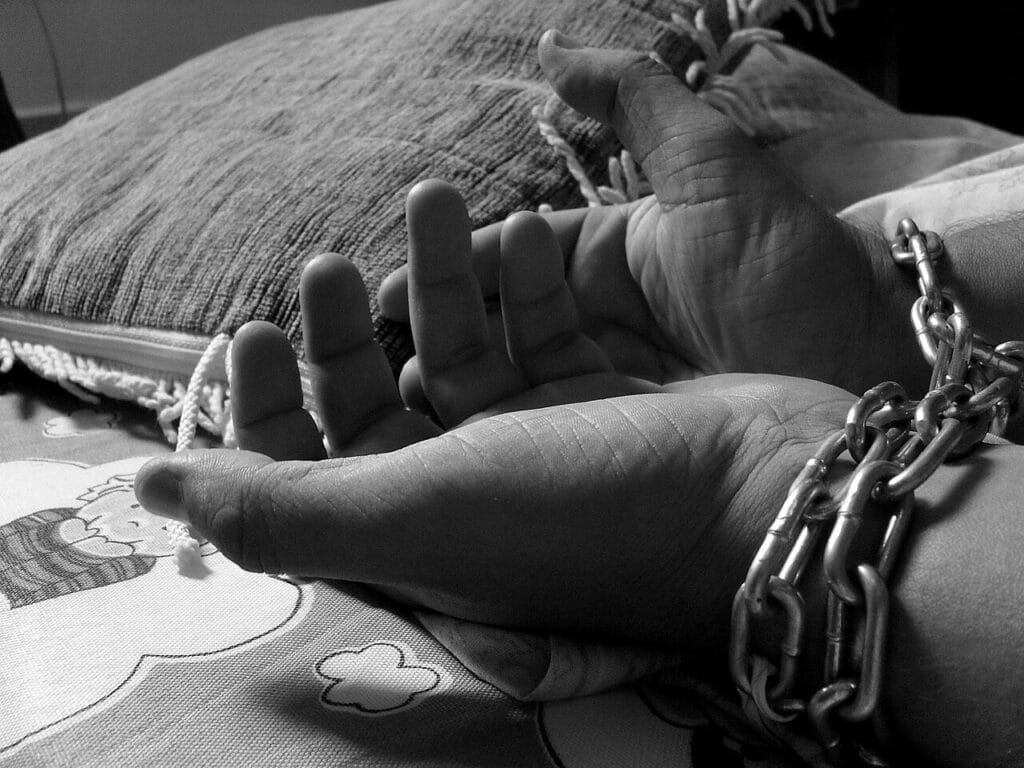
grayscale photo of woman with chain

Human Trafficking: Everyday choices That Fuels Modern Slavery.

This is not a post written to shame you. It’s written to wake us all up, including myself. We pray against human trafficking. We share awareness posts. We are outraged when we hear the stories. And yet, without knowing it, many of us participate in systems that make trafficking not just possible, but profitable. That’s a hard sentence to read. It was a hard one to write. But if we are serious about fighting modern slavery, we have to be willing to look at ourselves, our habits, our purchases, our entertainment and ask the uncomfortable question: Am I part of the problem? The answer, for most of us, is: in some ways, yes. Not because we are evil. But because trafficking doesn’t survive on evil alone. It survives on demand. And demand is something ordinary people create every single day. 1. Fast Fashion & Cheap Clothing We love a good deal. A R30 dress. A R50 pair of jeans. A haul from an online store where everything seems impossibly affordable. There’s nothing wrong with wanting to look good or spend wisely but we rarely ask the question that matters most: How is this so cheap? And who paid the price I didn’t? The fast fashion industry is one of the largest contributors to forced labour globally. Behind many of those bargain price tags are factories where workers many of them women and children work in conditions that constitute modern slavery. They work shifts that never end, in buildings that are unsafe, for wages that cannot sustain life, under threat of violence or dismissal if they resist. Many entered those factories through deception. A promised wage that was never paid. A job offer in another city that turned into captivity. A debt they can never repay for transport, accommodation, or food that keeps them bound to their employer. This is not limited to factories in Asia. It happens across Africa. It happens closer to home than we think. Check out the Latest Fashion Worker Exploitation Stats for 2026. Every time we choose the cheapest option without asking questions, we vote for a system that depends on exploited labour to stay profitable. This isn’t about guilt. It’s about consciousness. Start asking: Who made this? Under what conditions? Can I find out? 2. Pornography & Sex Tourism This section may make some readers uncomfortable. Good. Discomfort can be the beginning of change. Pornography is one of the most powerful demand drivers of sex trafficking in the world. Not all pornography directly depicts trafficking but the line between “consensual” and “coerced” content is far thinner than the industry wants us to believe. Trafficking survivors consistently report that their abuse was filmed and distributed. That content lives on – on websites, on platforms, in search results long after victims escape. Every view is a continuation of the abuse. Every click generates revenue that funds more exploitation. In South Africa, sex tourism is a real and growing industry. People often wealthy visitors, but also locals purchase sexual services from individuals who are frequently not there by choice. The transaction looks voluntary on the surface. Beneath it is often a web of coercion, debt bondage, threats against family, or years of conditioning that has stripped away any real sense of choice. We do not talk about this enough in our churches and communities. We treat it as a private matter. But private consumption creates public devastation. If there were no demand, the industry would collapse. The industry exists because people keep feeding it. This is a moment for honest self-reflection, not condemnation. But it is also a moment for truth: what we consume in private has victims. 3. Domestic Workers & Cheap Labour This one hits closest to home because it happens inside our homes. South Africa has a long and complicated history with domestic labour. Many households employ domestic workers, gardeners, and childminders and many treat them with dignity, respect, and fairness. But many do not. The signs of labour exploitation in domestic settings are often invisible because they happen behind closed doors: When we pay a domestic worker R500 a week for six days of work, when we expect them to be available around the clock, when we provide no written contract and no UIF contributions we are participating in labour exploitation. And in its most severe forms, this constitutes trafficking. Beyond our own homes, when we hire the cheapest contractor, use the cheapest cleaning service, or choose the business with suspiciously low prices for labour-intensive work we should ask why it’s so cheap. The answer is often that someone, somewhere, is not being paid fairly. Or at all. The desire for cheap, convenient labour at someone else’s expense is one of the quietest and most widespread forms of complicity in modern slavery. Paying people fairly is not generosity. It is justice. 4. Social Media & the Fake Job Epidemic This may be the most surprising entry on this list and the one that is growing fastest. Social media has become one of the primary recruitment tools for human traffickers in South Africa. And we through sharing, liking and reposting are unknowingly helping them spread their nets wider. Traffickers have discovered the power of influencers and social proof. They create or hijack seemingly legitimate social media pages, recruitment agencies, job boards, “success story” profiles. They post polished graphics advertising positions: waitressing jobs in Cape Town, retail work in Johannesburg, nanny positions in Pretoria, receptionist roles with “accommodation provided.” The posts look professional. The company names sound real. The salaries seem just good enough to be believable. Then comes the genius of their strategy: they pay influencers, sometimes micro-influencers with just a few thousand followers to share these “opportunities” with their audiences. The influencer might not know it’s fake. They might genuinely believe they’re helping their followers find work. They share the post. Their followers trust them. The post gets likes, comments, shares. It spreads. Algorithms pick it up. More desperate job seekers see it.

Human Trafficking: Everyday choices That Fuels Modern Slavery. Read More »

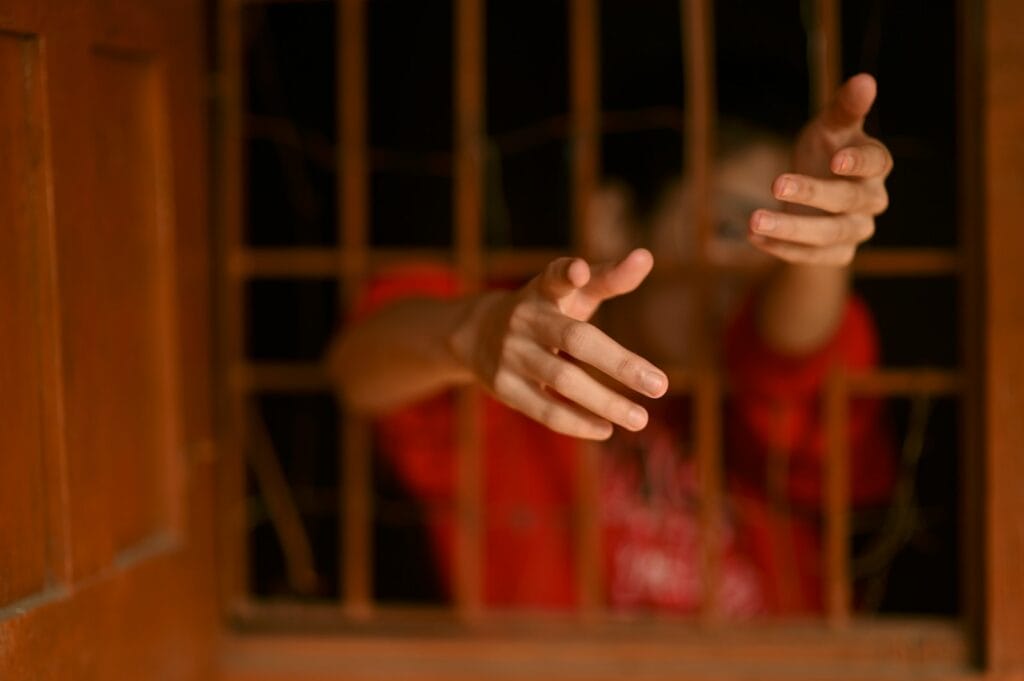
prison, prisoner, slavery, human trafficking, trafficking in persons, slavery, human trafficking, human trafficking, human trafficking, human trafficking, human trafficking

Recognising Modern Slavery Hiding in Plain Sight

Modern slavery and human trafficking is happening in our neighbourhoods. It’s happening right now. Recently, I came across a disturbing list of over 30 “companies” operating in South Africa – all advertising fake jobs to kidnap and hijack unsuspecting victims. What struck me most wasn’t just the number, but how many of these operations continue to function, preying on people who are simply looking for an opportunity to make a living. By the time authorities get involved, the damage has often already been done. This is the reality of modern slavery in South Africa and around the world. It doesn’t look like what we imagine. There are no chains or auction blocks. Instead, it hides behind job advertisements, recruitment agencies, romantic relationships, and promises of a better future. The Face of Modern Trafficking When we think of human trafficking, many of us picture dramatic kidnappings- someone snatched off the street by strangers. Yes it does happen like that but that’s not how it usually works. The truth is far more insidious. Trafficking often looks like: These situations begin with trust. They look normal. They feel like opportunities. And that’s exactly what makes them so dangerous. Organised Crime, Not Random Acts Modern slavery in South Africa and around the world is not the work of lone criminals acting on impulse. It is sophisticated, organised crime. Criminal syndicates have refined their methods, creating networks that: These operations are businesses. They calculate risk. They target vulnerability. And they operate in plain sight. South African-Specific Risk Factors Our context creates particular vulnerabilities that traffickers actively exploit: Poverty and UnemploymentWith unemployment hovering above 30%, desperate job seekers are willing to take risks they might otherwise avoid. When you need to feed your family, a job offer that seems “too good to be true” might be a risk you’re willing to take. False Job OffersAdvertisements promise domestic work in Johannesburg, retail positions in Cape Town, or farm work in rural areas. The “employer” might even pay for transport, making it seem generous rather than sinister. Victims often only realise the truth when they arrive – far from home, without resources, and completely isolated. Fake Scholarships and Training ProgrammesYoung people are particularly vulnerable to offers of education or skills training, especially when combined with promises of accommodation and stipends. These schemes lure students into situations where they become trapped in forced labour or sexual exploitation. Border ExploitationSouth Africa’s position as a regional economic hub means traffickers also target migrants from neighbouring countries, exploiting their vulnerability and lack of legal documentation to trap them in exploitative situations. Community Trust NetworksTraffickers often use people from the same community, church, or ethnic group to build trust. When someone who looks like you, speaks your language, and shares your background offers help, it’s natural to trust them. Warning Signs We Must Learn to See Modern slavery hides in plain sight because we’re not trained to see it. These red flags should prompt questions: In Job Offers: In Relationships and Social Settings: In Our Communities: The Reality of Authority Response Here’s a hard truth: authorities often don’t act until damage has been done. This isn’t always due to negligence – resource constraints, jurisdictional complexities, and the sophistication of trafficking networks all play a role. But the result is the same: victims suffer while systems catch up. This is why awareness matters. This is why we, as communities, must become the first line of defence. What We Can Do If You’re Job Seeking: If You See Something: In Our Communities: It’s Happening Here. It’s Happening Now. The person who disappears after responding to a job ad. The domestic worker who never has a day off. The young woman at the salon who seems afraid. The construction worker who sleeps on-site and never seems to get paid. These aren’t isolated incidents. They’re patterns. They’re people trapped in modern slavery, and they’re in our neighbourhoods. Over 30 fake companies. How many victims? How many families shattered? How many dreams turned to nightmares? We cannot wait for authorities to act. We must learn to see what’s hiding in plain sight. We must protect each other. We must refuse to let our desperation for opportunity make us – or our loved ones – vulnerable to those who would exploit it. Modern slavery is real. It’s here. And it’s counting on us to look away. Don’t. If you or someone you know may be a victim of trafficking, contact the National Human Trafficking Hotline at 0800 222 777. For more information about recognising and preventing modern slavery, visit beyondsalvation.co.za. If you have information about fake job advertisements or suspected trafficking operations, please report them to the South African Police Service or share details with organisations working to combat trafficking. John TholeJohn Thole is the voice behind Beyond Salvation, a blog that captures the highs and lows of life through faith, laughter, and honest reflection. With a passion for storytelling, technology, and spiritual growth, he creates content that resonates with seekers, believers, and anyone navigating life’s journey. Whether sharing personal insights, devotionals, or thought-provoking discussions, John aims to inspire, uplift, and spark meaningful conversations. johnthole.co.za
Recognising Modern Slavery Hiding in Plain Sight Read More »

person in brown long sleeve shirt

Types of human trafficking, how trafficking happens

Let me destroy the most dangerous myth about human trafficking: the idea that you’ll recognize a trafficker when you see one. You won’t. Because the person trafficking humans might be the loving boyfriend who brings flowers. The family friend who offers to help with job placement. The successful businesswoman who owns the nail salon downtown. The pastor who runs the church employment program. The couple next door with the live-in nanny who never seems to leave the house. Traffickers don’t look like movie villains. They look like us. They act like us. They exist in our communities, our churches, our families. And that’s exactly what makes them so effective. If we’re going to fight human trafficking, we need to shatter every comfortable myth we believe about who traffickers are and how trafficking actually happens. Because the truth is far more disturbing than the Hollywood version, and it’s happening right under our noses. The Myth We Desperately Want to Believe Here’s the trafficking story most people imagine: a stranger in a white van kidnaps a child from a parking lot. International criminal organizations smuggle victims across borders. Dark, foreign places where terrible people do terrible things. And yes, that happens. But it’s not the norm. It’s not even close to the norm. The reality is this: There is no single profile of a human trafficker; their only commonality is that they are driven by profit at the expense of others. Traffickers are men and women of all ages. They can be relatives, romantic partners, or close family friends. [Insert U.S. Department of Homeland Security Blue Campaign link here] Read that again. Relatives. Romantic partners. Close family friends. The person trafficking you is more likely to be someone you know and trust than a stranger. They’re more likely to manipulate you with promises than to physically kidnap you. They’re more likely to be operating in your hometown than in some distant country. Most trafficking happens close to home, by people who understand exactly how to exploit the vulnerabilities of those around them. And that’s what makes it so insidious. The Real Profile of Traffickers Let me give you the uncomfortable truth about who becomes a trafficker, based on data from thousands of prosecutions and investigations. Of the 1,070 defendants charged with human trafficking offenses in U.S. district court in fiscal year 2022, 91% were male, 58% were white, 20% were black, 18% were Hispanic, 95% were U.S. citizens, and 71% had no prior convictions. [Insert Bureau of Justice Statistics Report link here] Let that last statistic sink in: 71% had no prior criminal history. These aren’t career criminals with long rap sheets. These are “normal” people who made the decision to exploit other humans for profit. But here’s where it gets even more complex. In 30% of the countries which provided information on the gender of traffickers, women make up the largest proportion of traffickers. In some parts of the world, women trafficking women is the norm. [Insert UNODC Global Report on Trafficking in Persons link here] Women. Trafficking. Women. That destroys another myth, doesn’t it? We want to believe trafficking is something men do to women. But the reality is far more complicated. Women recruit other women. Mothers exploit their own children. Female “madams” run brothels. Women work as enforcers in labor trafficking operations. Evil is an equal opportunity employer. The Many Faces of Traffickers Human traffickers can be part of a transnational criminal organization, a local criminal network, or a gang. However, they can also be the owners of restaurant in the community, a local business offering janitorial services, a farm labor contractor supplying harvesters, or the couple next door with a live-in domestic worker or nanny. Let me break down the actual types of traffickers operating right now: The Intimate Partner Trafficker (Romeo Pimp) This is one of the most common and most devastating forms of trafficking. A man (usually) targets a vulnerable woman or girl, showers her with attention and affection, makes her feel special and loved. He’s patient. He builds trust. He becomes her entire world. Then, slowly, the exploitation begins. He needs money. She could help by doing this “just one time.” Or he introduces her to his “friend” who needs company. Or he frames prostitution as something they’re doing together, as a team, to build their future. By the time she realizes what’s happening, she’s emotionally dependent, isolated from family and friends, and believes she chose this life. That’s the brilliance of this method: the victim blames herself instead of recognizing she’s been trafficked. These traffickers are masters of psychological manipulation. They don’t need chains when they can control someone’s mind and heart. The Family Member Yes, you read that right. Parents trafficking their own children. Siblings exploiting siblings. Extended family members selling relatives into slavery. Sometimes it’s driven by poverty and desperation. Parents in extreme financial situations make horrific choices to survive. But sometimes it’s pure exploitation and abuse, family members who view children or vulnerable relatives as commodities to be sold. This is particularly devastating because the victim’s primary support system, the people who should protect them, are the ones perpetrating the abuse. Who do you run to when your family is trafficking you? The Employer Restaurant owners who bring workers from other countries and then confiscate their documents. Farm contractors who house workers in deplorable conditions and pay them nothing while claiming they’re “working off debts.” Factory owners who lock workers in during shifts and threaten deportation if they complain. Domestic servitude is a massive form of labor trafficking. The couple who brings a young woman from another country to “help with housework” then takes her passport, doesn’t pay her, doesn’t let her leave the house, and threatens her if she tries to seek help. These traffickers hide behind the veneer of legitimate business. They file taxes, they operate openly, they seem respectable. But behind closed doors, they’re enslaving human beings. The Opportunistic Criminal Street gangs that add trafficking to their

Types of human trafficking, how trafficking happens Read More »

human trafficking in 2025

Human Trafficking Statistics 2025: Modern Slavery Facts You Can’t Ignore

Every 30 seconds, another person becomes a victim of human trafficking. Let that sink in. While you read this sentence, someone somewhere just lost their freedom. While you scroll through social media tonight, hundreds more will be trapped in modern slavery. While you sleep tonight, thousands will work against their will, abused and exploited by traffickers who see them as nothing more than profit. I wish I could tell you this was an exaggeration. I wish I could say these numbers are inflated or based on old data. But the truth is even more devastating: 49.6 million people are currently trapped in modern slavery worldwide, and that number keeps growing. If you’re reading this thinking, “That can’t be right. Slavery ended centuries ago”, you’re exactly who needs to keep reading. The Numbers That Should Keep You Up at Night Let me hit you with some facts that most Christians would rather not know about. According to the United Nations’ International Labour Organization, human traffickers victimize an estimated 27.6 million people in forced labor and commercial sexual exploitation. When you add forced marriage to that number, the total reaches 49.6 million people living in modern slavery. Read that again. 49.6 million image bearers of God. That’s more than the entire population of South Africa. That’s more people enslaved right now than at any other point in human history, including during the transatlantic slave trade. But here’s what makes this even more gut-wrenching: 79% of human trafficking victims are exploited for sexual purposes, with women and girls making up the vast majority. These aren’t abstract statistics. These are daughters, sisters, mothers. These are little girls who should be playing with dolls and going to school. And children? Almost 20% of all trafficking victims worldwide are children. In some regions of Africa and the Mekong region, children make up the majority of trafficking victims, reaching up to 100% in parts of West Africa. Every. Single. One. Of. Them. Matters. To. God. Isaiah 61:1-3: The Spirit of the Sovereign Lord is on me,  because the Lord has anointed me to proclaim good news to the poor.He has sent me to bind up the brokenhearted, to proclaim freedom for the captives and release from darkness for the prisoners,[a]2 to proclaim the year of the Lord’s favor and the day of vengeance of our God to comfort all who mourn,3 and provide for those who grieve in Zion— to bestow on them a crown of beauty instead of ashes, the oil of joy instead of mourning,and a garment of praise instead of a spirit of despair. They will be called oaks of righteousness, a planting of the Lord for the display of his splendor. It’s Happening Right Here Here’s the lie most of us believe: “Human trafficking is something that happens over there. In other countries. To other people. Not in my community.” Wrong. Human trafficking has been reported in all 50 U.S. states and the District of Columbia, on Tribal land, and within U.S. territories. It’s happening in South Africa. It’s happening in Europe. It’s happening in your city, probably on your street, definitely in your country. In the European Union alone, 10,793 victims of human trafficking were registered in 2023, a 6.9% increase from the previous year. And those are just the ones who were identified. Experts estimate that for every victim we know about, there are countless others still trapped in the shadows. The truth is, most trafficking happens close to home. Most exploitation takes place near where victims live, not across continents. The person being trafficked might work in the restaurant you ate at last week. They might be the domestic worker you saw at your neighbor’s house. They might be the teenager who looks terrified at the gas station at 2 AM. They’re everywhere. We just refuse to see them. Who Are the Traffickers? When we think of human traffickers, we imagine shadowy criminal organizations and international kidnapping rings. And yes, those exist. But that’s not the whole picture. Traffickers can be relatives, romantic partners, or close family friends. They can be the owners of a restaurant in the community, a local business offering janitorial services, a farm labor contractor, or even the couple next door with a live-in domestic worker. Let me say that differently: the person trafficking humans might be someone you know. Someone you do business with. Someone who seems perfectly normal. And here’s something that should shock every one of us: In 30% of countries that provided information on trafficker gender, women make up the largest proportion of traffickers. In some parts of the world, women trafficking women is the norm. Evil doesn’t have a single face. It wears many masks, and sometimes those masks look disturbingly ordinary. The Systems That Enable Slavery Human trafficking doesn’t happen in a vacuum. It thrives because we’ve created systems that make exploitation profitable and easy. Consider this: Since 2003, U.S. states have enacted 695 anti-trafficking policies, but prevention policies. – which address root causes and reduce vulnerabilities – remain significantly underdeveloped. In other words, we’re getting better at prosecuting traffickers after the damage is done, but we’re not doing nearly enough to prevent trafficking in the first place. Why? Because prevention requires addressing uncomfortable truths about poverty, inequality, broken immigration systems, and the demand side of exploitation. It’s easier to arrest a trafficker than to dismantle the economic systems that make trafficking profitable. Over 2,400 trafficking cases have been prosecuted in the United States since 2000, involving 4,589 defendants and 12,132 identified victims. But here’s the devastating reality: two out of every five countries covered by the UNODC Report had not recorded a single conviction for human trafficking. Let me translate that: in many parts of the world, traffickers operate with complete impunity. They know they’ll never face justice. So they keep trafficking. And the numbers keep growing. Why This Should Matter to Christians If you’re a follower of Jesus and you’re not disturbed by these statistics, we need to talk about what kind of Jesus you’re actually following. Because the Jesus I read about in Scripture got angry about injustice. He

Human Trafficking Statistics 2025: Modern Slavery Facts You Can’t Ignore Read More »

modern slavery

Why We’re Here: Beyond Salvation’s Mission to End Modern Slavery

Welcome, friend. Whether you’ve been following Beyond Salvation for a while or you just landed here for the first time, it’s no accident you’re reading these words today. This space has always been about real faith, honest conversations, and wrestling with what it means to follow Jesus in a broken world. But today marks a shift. A return, really, to what we’ve always been called to do. Coming Home to Our Calling If you’ve been reading Beyond Salvation over the past months, you know we’ve explored prophecy, church issues, spiritual growth, and the challenges of modern Christian life. These conversations mattered, and they’ll continue to be part of who we are. But there’s been something stirring in my spirit, a persistent whisper I can no longer ignore. God has a main mission for Beyond Salvation. It’s written in Isaiah 61:1-3: “The Spirit of the Lord GOD is upon me, because the LORD has anointed me to bring good news to the poor; he has sent me to bind up the brokenhearted, to proclaim liberty to the captives, and the opening of the prison to those who are bound; to proclaim the year of the LORD’s favor, and the day of vengeance of our God; to comfort all who mourn; to grant to those who mourn in Zion – to give them a beautiful headdress instead of ashes, the oil of gladness instead of mourning, the garment of praise instead of a faint spirit.” This isn’t just a beautiful passage. It’s our blueprint. It’s the heart of what Beyond Salvation was always meant to be about: freedom for the captive, healing for the broken, and beauty rising from ashes. So here’s what’s changing: we’re shifting our primary focus to the fight against modern slavery and human trafficking, while standing with persecuted Christians around the world, particularly in Nigeria. This is our main mission. This is the calling we’re leaning into with everything we have. The Reality We Can’t Ignore Let me be blunt about something most Christians would rather not think about: more people are enslaved right now, in 2025, than at any other point in human history. Over 50 million men, women, and children are trapped in forced labor, sexual exploitation, or domestic servitude. Every 30 seconds, someone becomes a victim of trafficking. Read that again. Every. Thirty. Seconds. These aren’t just statistics I’m throwing at you to make a point. These are image bearers of God. These are people with names, dreams, families, stories. These are the ones Jesus called “the least of these.” And if we claim to follow Jesus while remaining comfortable in our ignorance of their suffering, we need to seriously examine what kind of faith we’re actually practicing. The Bible is unambiguous about this. Proverbs 31:8-9 commands us: “Open your mouth for the mute, for the rights of all who are destitute. Open your mouth, judge righteously, defend the rights of the poor and needy.” Notice it doesn’t say “if you feel like it” or “when it’s convenient.” It says open your mouth. Speak up. Act. Our Partnership with A21 Here’s how we’re doing this practically: Beyond Salvation is partnering with A21, a global anti-trafficking organization that’s actually making a difference on the ground. They’re not just talking about the problem; they’re rescuing victims, prosecuting traffickers, and providing long-term restoration for survivors. Throughout this year, you’ll see us regularly linking to A21’s work and their donation pages. But let me be clear about something: this isn’t about me trying to hit some fundraising goal or make myself feel good. This is about connecting you to an organization that’s legitimately changing lives, and giving you a way to be part of something far bigger than yourself. Every post will include clear ways to support A21’s Freedom Campaign. But more than your money, what I’m asking for is your attention, your prayers, and your willingness to let this reality reshape how you think about faith and action. Why This Matters for Believers As Christians, we love to talk about spiritual freedom. We sing songs about chains being broken and captives being freed. We preach about liberation from sin and the bondage of shame. All of that is true and important. But here’s what bothers me: we’re often more passionate about metaphorical chains than actual ones. We’re quick to claim spiritual victory while remaining silent about the physical slavery happening in our world right now. Jesus read from Isaiah 61 at the beginning of His ministry and declared, “Today this Scripture has been fulfilled in your hearing.” He was announcing that the kingdom of God brings both spiritual AND physical freedom. You can’t separate them. The gospel that saves souls also demands justice for the oppressed. When we ignore human trafficking, we’re not just being politically neutral. We’re failing to reflect the heart of God. We’re choosing comfort over compassion. We’re settling for a faith that makes us feel good without demanding we actually do good. I don’t know about you, but I’m tired of that kind of Christianity. What’s Different Now Starting today, Beyond Salvation’s primary content focus shifts to two interconnected crises: Human trafficking and modern slavery. We’ll explore what trafficking actually looks like in 2025, debunk the myths that keep us ignorant, share survivor stories, examine the systems that enable exploitation, and provide practical ways you can fight back. Christian persecution in Nigeria. We’ll shine light on the violence targeting Nigerian Christians, the terrorist groups destroying communities, the intersection between persecution and trafficking, and how we can support our brothers and sisters facing unimaginable suffering. Does this mean we’ll never write about other topics? No. Beyond Salvation will still be a place for honest conversations about faith, culture, prophecy, and Christian life. But these two issues will be our north star, the lens through which we view everything else. What You Can Expect Here’s my promise to you: I will not sugarcoat the darkness. Human trafficking is horrific. Christian persecution is brutal. I won’t

Why We’re Here: Beyond Salvation’s Mission to End Modern Slavery Read More »

1

Gaza Hostage Release and Ceasefire: A Biblical Perspective on Peace, Justice, and Hope

The world watched as a Gaza Hostage Release and Ceasefire, and nearly two years of relentless warfare gave way to an unexpected silence. Hamas released the final group of living Israeli hostages on Monday, marking what many have called a monumental turning point in a conflict that has cost thousands of lives, displaced millions, and shattered countless families across two nations. For believers watching from around the world, this moment demands more than political analysis, it demands theological reflection. As we witness the hostages returning home and the initial phases of a Trump-brokered peace plan unfold, we must ask ourselves: What does Scripture say about this moment? What is our responsibility as Christians? And perhaps most importantly, what does genuine peace actually look like? When the Captives Come Home: A Biblical Echo “The Spirit of the Lord is upon me, because he hath anointed me to preach the gospel to the poor; he hath sent me to heal the brokenhearted, to preach deliverance to the captives, and recovering of sight to the blind, to set at liberty them that are bruised.” – Luke 4:18 There is something profoundly biblical about the release of captives. Throughout Scripture, the freeing of prisoners features prominently as an act of God’s mercy and a sign of His kingdom breaking into our world. When the Israelites were released from Egyptian slavery, it became the foundational story of their faith. When prisoners were released during Jesus’s earthly ministry, it symbolized spiritual liberation. But here’s what we must understand: the mere release of hostages, as essential and praiseworthy as it is – is only the beginning. True peace is not simply the cessation of violence; it’s the establishment of justice, healing, and reconciliation. Peace Without Justice Is Not Peace “For to us a child is born, to us a son is given… and he will be called Wonderful Counselor, Mighty God, Everlasting Father, Prince of Peace. Of the greatness of his government and peace there will be no end.” – Isaiah 9:6-7 Let’s be honest about something the world often glosses over: you cannot have genuine, lasting peace without justice. The prophet Amos declared that justice must “roll on like a river, righteousness like a never-ending stream.” This wasn’t poetic language for Amos, it was a moral imperative. When families have lost loved ones, when entire neighborhoods have been reduced to rubble, when trauma has etched itself into the psyches of a generation, simply stopping the fighting doesn’t heal what’s been broken. A ceasefire can be a step toward peace, but peace itself requires something far deeper. This is where many Christians fall into a troubling trap: we celebrate the end of conflict while remaining silent about the injustices that created it. We’re called to do both – to work for peace AND to work for justice. Jesus wasn’t killed because He preached peace alone; He was crucified because He demanded justice for the oppressed and challenged the systems that perpetuated suffering. The Captors and the Captives: Whose Responsibility? “If anyone has material possessions and sees a brother or sister in need but has no pity on them, how can the love of God be in that person?” – 1 John 3:17 One thing that should deeply concern every believer is how we approach the moral complexity of this conflict. There’s a temptation in Christian circles to take absolute sides, to claim one group is entirely good and the other entirely evil. But Scripture warns us against such simplicity. Yes, hostages should be released. Taking innocent people captive is a grave moral evil. Full stop. There is no justification, no political framing that makes kidnapping and holding civilians acceptable. Those who took hostages bear moral responsibility for that action, and their release is a matter of basic human dignity. But, and this is crucial – the existence of hostages does not erase the suffering of Palestinians. The trauma of October 7 does not justify indiscriminate attacks on civilians. The desire for security does not sanctify the displacement of entire populations. Justice requires us to hold all parties accountable to the same moral standard. This is what the Bible calls wisdom, the ability to see complexity while holding fast to core moral principles. It’s the ability to say, “This was wrong AND that was wrong” without needing to construct a hierarchy of wrongs that allows us to excuse one side’s transgressions. On Being Peacemakers (Not Peace-Liars) “Blessed are the peacemakers, for they will be called children of God.” – Matthew 5:9 Jesus made a stunning promise: peacemakers would be called God’s children. But notice what He didn’t say. He didn’t bless “peacekeepers” or “people who avoid conflict.” He blessed peacemakers—people who actively work toward reconciliation, justice, and the healing of broken relationships. A true peacemaker does three things: First, they speak truth. They don’t minimize suffering or pretend atrocities didn’t happen because it’s politically expedient. They acknowledge the pain on all sides, even when that acknowledgment is uncomfortable or unpopular. Second, they work toward justice. Peacemakers understand that genuine peace cannot exist while injustice remains unaddressed. This might mean holding government leaders accountable. It might mean demanding investigations into war crimes. It might mean insisting that displaced peoples have the right to return to their homes or receive reparations. Justice and peace are not opposites; they’re partners. Third, they refuse to dehumanise. This is perhaps the hardest requirement. Even as we hold people accountable for their actions, we must remember that they are image-bearers of God. Palestinians, Israelis, Hamas fighters, Israeli soldiers, hostages, displaced familie – all are people for whom Christ died. All deserve to be treated with dignity. The Role of Believers in This Moment Here’s where I want to challenge every Christian reading this: What are you actually doing about this? Are you: Or are you simply choosing a political side and using Christianity to justify it? Because here’s the truth: the ceasefire doesn’t require much of us as believers. It requires political negotiations

Gaza Hostage Release and Ceasefire: A Biblical Perspective on Peace, Justice, and Hope Read More »

FREE BIBLE STUDY

Transform Your Bible Study

Get our comprehensive study guide delivered instantly to your inbox

  • 20+ Pages of comprehensive study materials
  • Flexible Formats - Individual, small group, or Sunday school
  • Discussion Questions at multiple depth levels
  • Leader Resources with detailed facilitation tips
  • Memory Verses for each lesson
  • Weekly Challenges with actionable steps

Get Your FREE Guide Now

Join our community and receive your guide instantly, plus helpful Bible study tips and new resources.

Instant delivery - Guide sent immediately
No spam - Only valuable content
Unsubscribe anytime - We respect your privacy

Join thousands of believers growing deeper in God's Word