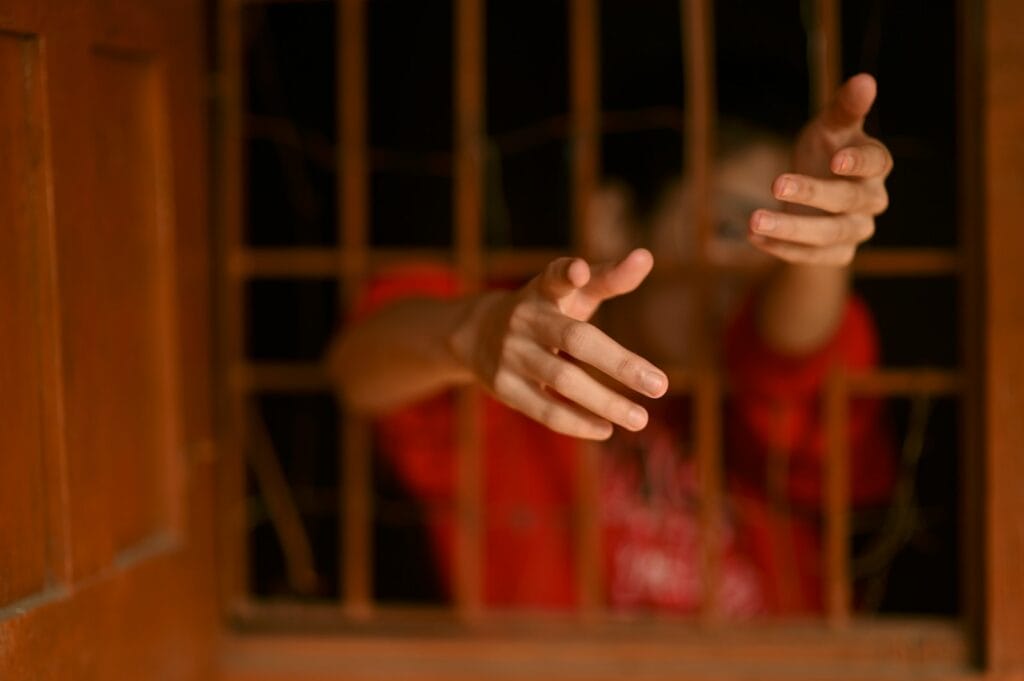

I want to be a hero
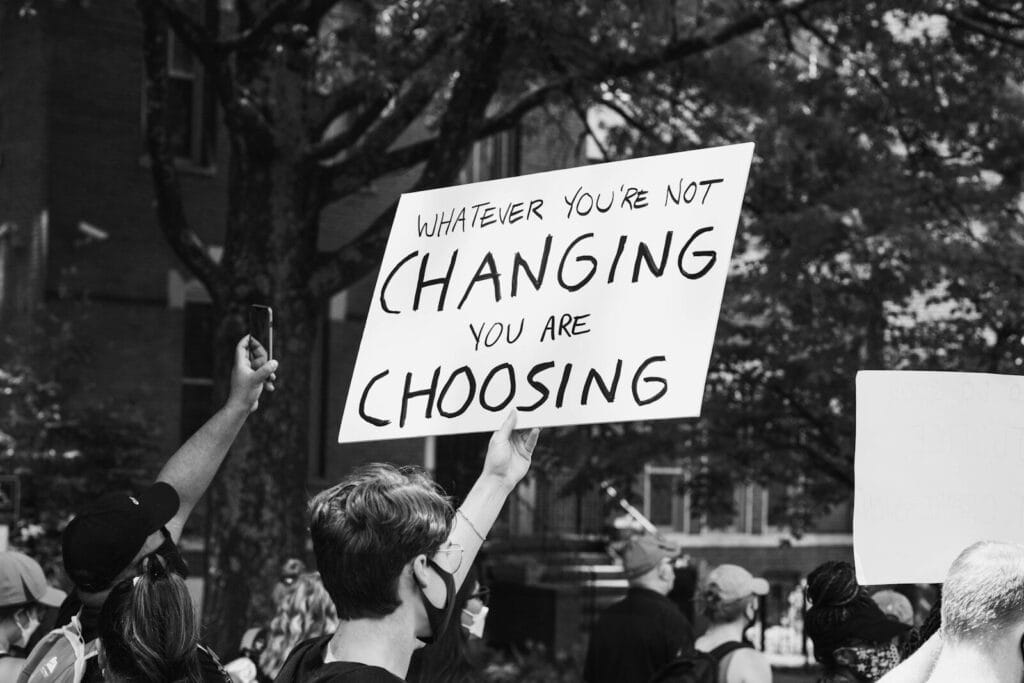
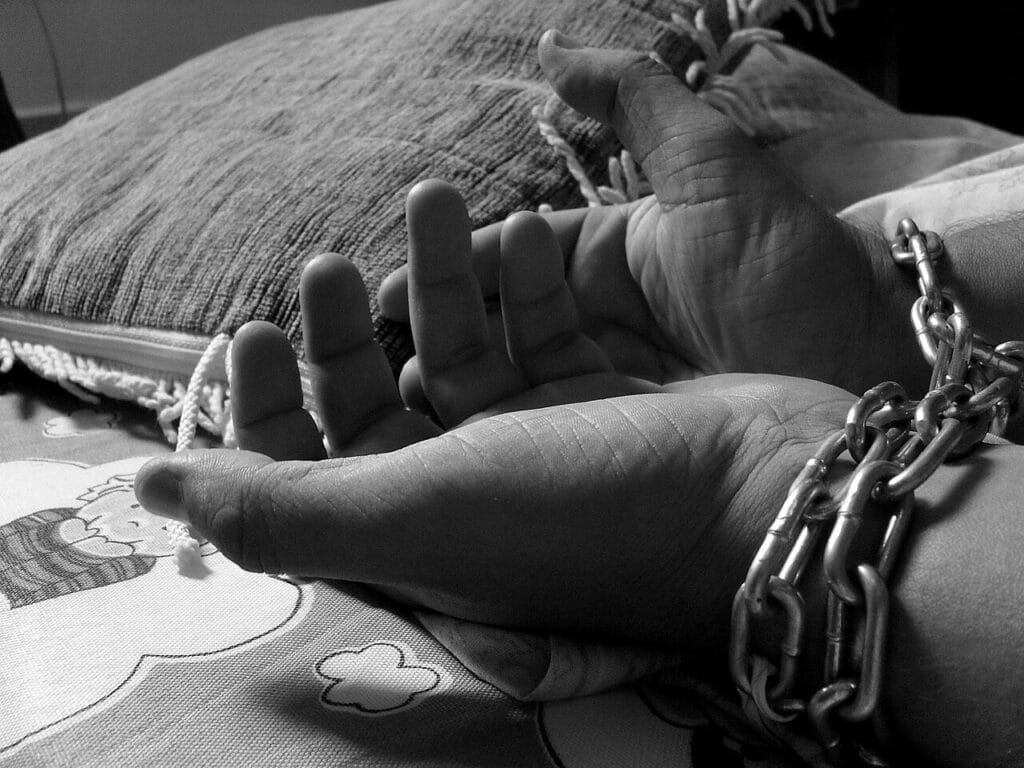
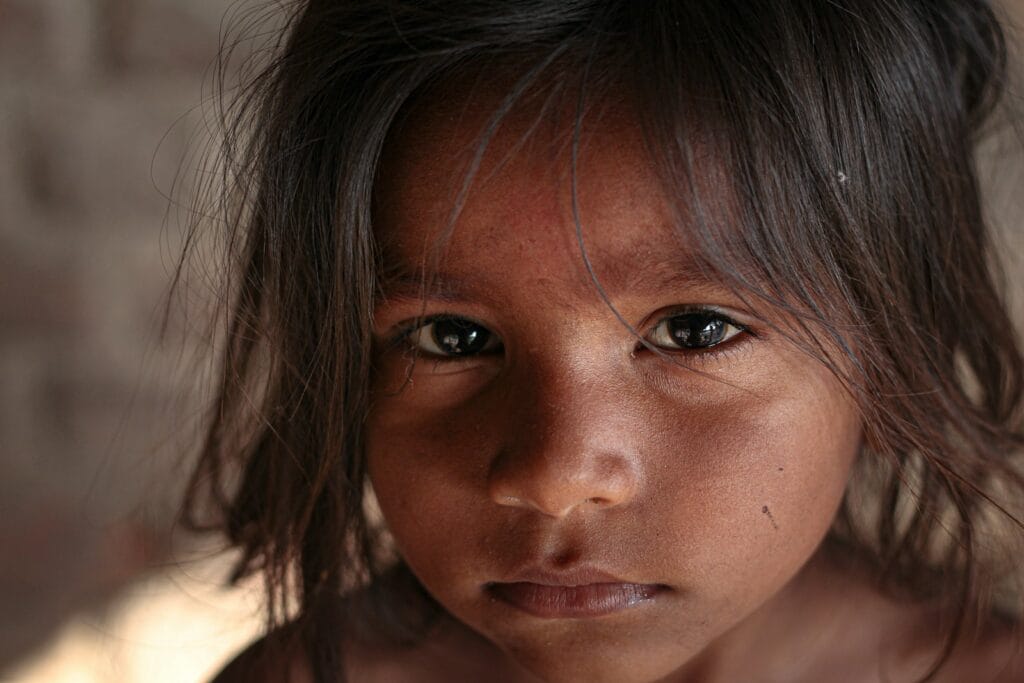
I’ve been putting off writing this one. It’s easier to write about other things than it is to write about myself. But if Beyond Salvation is going to mean anything, it has to start with why it exists. That means being honest about something I don’t usually say out loud. Where It Started When I was a kid, I wanted to be a hero. Not in the vague, everybody wants to matter kind of way. I mean I actually wanted to save people. To be the one who shows up when it counts. That instinct never left. It just went looking for a shape that made sense for an adult to actually walk out, instead of a fantasy to grow out of. Freedom Is What I Value Most There is one thing I have always valued, and still do. That is freedom. I believe everyone deserves to be free and to choose how they live their life. I believe that is the heart of the Father. It is what the Son came to do. Isaiah 61 speaks of one sent to set the captives free and to release those who are bound. Galatians 5 says it plainly too. Christ set us free so that we could live free. Justice runs through Isaiah again and again. It is not a side note in scripture. It is one of the fruits God is looking for from His people. Isaiah 1 calls us to seek justice and defend the oppressed. That is not just a nice idea to me. It is a command I take personally. Serving Comes First For a while now, I have served the people around me. My church, my community, the people close enough to see my everyday life. That part has not been hard or dramatic. It is just showing up. Being present. Doing the quiet work of being someone people can rely on. But serving was never the whole goal. I want to save people too. And the more I sit with that word, the more it points me in one direction. The fight against human trafficking. The Hero From the Shadows My childhood heroes taught me something I still carry. Heroes do not do what they do for glory. They protect from the shadows. They are not chasing a spotlight. They are chasing the person who needs help before it is too late. I want to save people who might never know it was me. I know there may be no way to avoid the spotlight completely, since this platform is public by nature. But the hero I want to be is not a popular one. He is an effective one. Popularity fades. Being useful to the person who actually needed help does not. Enough Is Enough I do not seek to save everyone. I cannot. Nobody can carry that weight alone. But if I can save what is within my reach, and reach the ones I am able to reach, then that is enough. Micah 6 tells us what is required of us. To act justly, to love mercy, and to walk humbly. Not to fix the whole world by ourselves. Just to do our part, faithfully, where we stand. The Vision, Plainly So this is the vision, plainly. I want to serve the people in front of me. I want to help save the people I will never meet, the ones trafficking tries to erase before anyone notices they are missing. Everything I build here, everything I write here, is aimed at that one thing. I have not arrived. I have not earned the title of hero. But I believe you become the thing you want to be by moving toward it honestly, even before you feel ready. Even from the shadows, if that is where the work needs to happen. John TholeJohn Thole is the voice behind Beyond Salvation, a blog that captures the highs and lows of life through faith, laughter, and honest reflection. With a passion for storytelling, technology, and spiritual growth, he creates content that resonates with seekers, believers, and anyone navigating life’s journey. Whether sharing personal insights, devotionals, or thought-provoking discussions, John aims to inspire, uplift, and spark meaningful conversations. johnthole.co.za