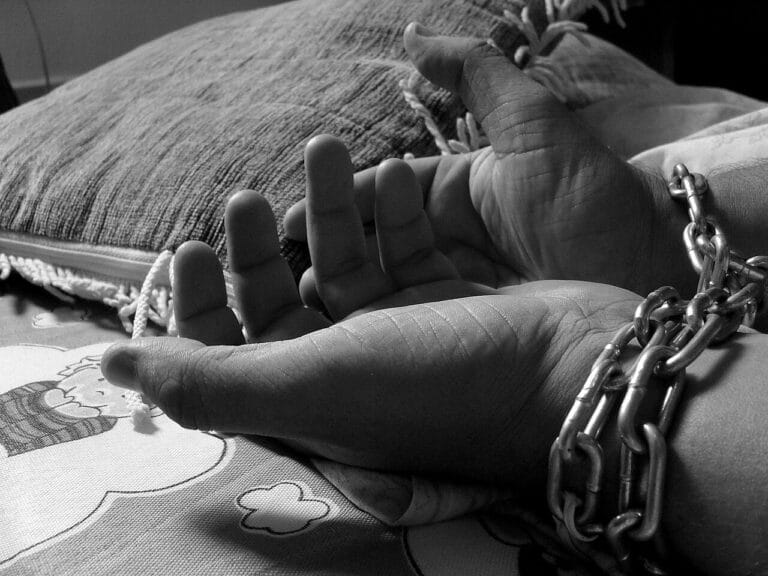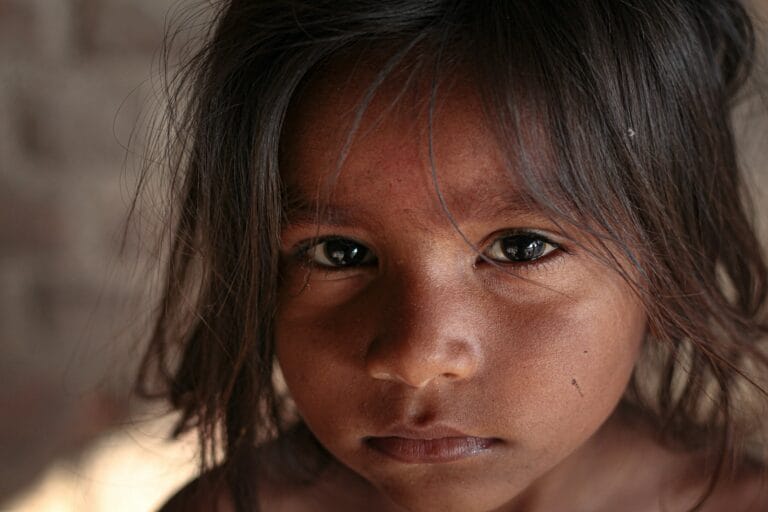
This is not a post written to shame you. It’s written to wake us all up, including myself.
We pray against human trafficking. We share awareness posts. We are outraged when we hear the stories. And yet, without knowing it, many of us participate in systems that make trafficking not just possible, but profitable.
That’s a hard sentence to read. It was a hard one to write. But if we are serious about fighting modern slavery, we have to be willing to look at ourselves, our habits, our purchases, our entertainment and ask the uncomfortable question:
Am I part of the problem?
The answer, for most of us, is: in some ways, yes. Not because we are evil. But because trafficking doesn’t survive on evil alone. It survives on demand. And demand is something ordinary people create every single day.
1. Fast Fashion & Cheap Clothing
We love a good deal. A R30 dress. A R50 pair of jeans. A haul from an online store where everything seems impossibly affordable. There’s nothing wrong with wanting to look good or spend wisely but we rarely ask the question that matters most:
How is this so cheap? And who paid the price I didn’t?
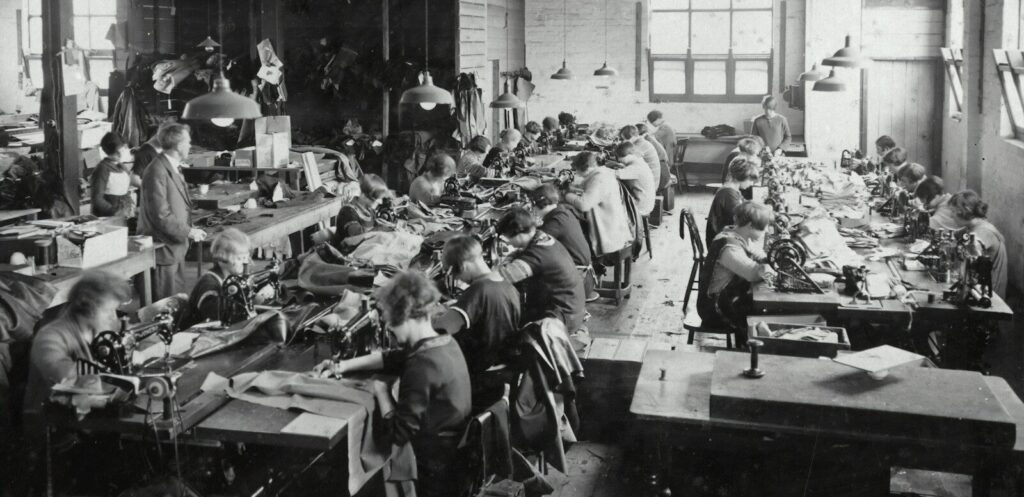
The fast fashion industry is one of the largest contributors to forced labour globally. Behind many of those bargain price tags are factories where workers many of them women and children work in conditions that constitute modern slavery. They work shifts that never end, in buildings that are unsafe, for wages that cannot sustain life, under threat of violence or dismissal if they resist.
Many entered those factories through deception. A promised wage that was never paid. A job offer in another city that turned into captivity. A debt they can never repay for transport, accommodation, or food that keeps them bound to their employer.
This is not limited to factories in Asia. It happens across Africa. It happens closer to home than we think. Check out the Latest Fashion Worker Exploitation Stats for 2026.
Every time we choose the cheapest option without asking questions, we vote for a system that depends on exploited labour to stay profitable.
This isn’t about guilt. It’s about consciousness. Start asking: Who made this? Under what conditions? Can I find out?
2. Pornography & Sex Tourism
This section may make some readers uncomfortable. Good. Discomfort can be the beginning of change.
Pornography is one of the most powerful demand drivers of sex trafficking in the world. Not all pornography directly depicts trafficking but the line between “consensual” and “coerced” content is far thinner than the industry wants us to believe.
Trafficking survivors consistently report that their abuse was filmed and distributed. That content lives on – on websites, on platforms, in search results long after victims escape. Every view is a continuation of the abuse. Every click generates revenue that funds more exploitation.
In South Africa, sex tourism is a real and growing industry. People often wealthy visitors, but also locals purchase sexual services from individuals who are frequently not there by choice. The transaction looks voluntary on the surface. Beneath it is often a web of coercion, debt bondage, threats against family, or years of conditioning that has stripped away any real sense of choice.
We do not talk about this enough in our churches and communities. We treat it as a private matter. But private consumption creates public devastation.
If there were no demand, the industry would collapse. The industry exists because people keep feeding it.
This is a moment for honest self-reflection, not condemnation. But it is also a moment for truth: what we consume in private has victims.
3. Domestic Workers & Cheap Labour
This one hits closest to home because it happens inside our homes.
South Africa has a long and complicated history with domestic labour. Many households employ domestic workers, gardeners, and childminders and many treat them with dignity, respect, and fairness. But many do not.
The signs of labour exploitation in domestic settings are often invisible because they happen behind closed doors:
- Workers paid far below minimum wage with no recourse
- Workers who live on the property and are never truly “off duty”
- Workers whose identity documents are held by the employer
- Workers who are not allowed to have visitors or leave freely
- Workers, often from other provinces or countries, who have no community support and nowhere to go
When we pay a domestic worker R500 a week for six days of work, when we expect them to be available around the clock, when we provide no written contract and no UIF contributions we are participating in labour exploitation. And in its most severe forms, this constitutes trafficking.
Beyond our own homes, when we hire the cheapest contractor, use the cheapest cleaning service, or choose the business with suspiciously low prices for labour-intensive work we should ask why it’s so cheap. The answer is often that someone, somewhere, is not being paid fairly. Or at all.
The desire for cheap, convenient labour at someone else’s expense is one of the quietest and most widespread forms of complicity in modern slavery.
Paying people fairly is not generosity. It is justice.
4. Social Media & the Fake Job Epidemic
This may be the most surprising entry on this list and the one that is growing fastest.
Social media has become one of the primary recruitment tools for human traffickers in South Africa. And we through sharing, liking and reposting are unknowingly helping them spread their nets wider.
Traffickers have discovered the power of influencers and social proof.
They create or hijack seemingly legitimate social media pages, recruitment agencies, job boards, “success story” profiles. They post polished graphics advertising positions: waitressing jobs in Cape Town, retail work in Johannesburg, nanny positions in Pretoria, receptionist roles with “accommodation provided.” The posts look professional. The company names sound real. The salaries seem just good enough to be believable.
Then comes the genius of their strategy: they pay influencers, sometimes micro-influencers with just a few thousand followers to share these “opportunities” with their audiences.
The influencer might not know it’s fake. They might genuinely believe they’re helping their followers find work. They share the post. Their followers trust them. The post gets likes, comments, shares. It spreads. Algorithms pick it up. More desperate job seekers see it. More people apply.
And every share, every like, every comment increases the post’s reach taking the trap deeper into communities where people are unemployed, struggling, and vulnerable.
We become the distribution network for trafficking operations without ever knowing it.
When you see a job post on Instagram or Facebook, especially one shared by someone you follow, you assume it’s been vetted. You assume your friend or that lifestyle influencer wouldn’t share something dangerous. But they don’t know either. They’re being used.
Recruitment happens in the comments and DMs. After the post gains traction, traffickers reach out privately to people who engaged with it. The conversation moves to WhatsApp. The victim is told to act fast. “We only have two positions left.” “You need to come for an interview tomorrow.” “We’ll arrange transport, just send us your ID for processing.”
By the time the victim realises something is wrong, they’re already far from home, isolated, without resources, and trapped.
And it all started with a post we helped go viral.
This is not about blaming influencers or social media users. Most people sharing these posts have good intentions. But traffickers are exploiting our desire to help each other, our trust in people we follow, and our desperation to find opportunities in a broken economy.
Our engagement is currency to traffickers. Every share gives them credibility. Every like makes their operation look legitimate. Every comment increases visibility. We are unwittingly building the infrastructure they use to find and lure victims.
This is not a reason to stop using social media. It is a reason to use it with far greater scrutiny. Before sharing that job post, ask: Can I verify this company? Does it have a physical address? Can I find independent reviews? If you can’t answer yes, don’t share it no matter how genuine it looks or who else has shared it.
In the age of social media, awareness is not just about recognising trafficking. It’s about refusing to help it spread.
We Are Not the Villains But We Can Choose to Be Heroes
None of this is written to make you feel like a monster. You are not one. Most of us have participated in these systems out of ignorance, habit, or convenience not malice.
But ignorance, once removed, is no longer an excuse.
The truth is that human trafficking is not sustained by shadowy criminals alone. It is sustained by demand for cheap goods, cheap labour, cheap pleasure, cheap entertainment. And demand is something we, as consumers, as citizens, as communities of faith, have the power to reduce.
Every ethical purchase is a vote against exploitation. Every fair wage paid is an act of justice. Every conversation about these uncomfortable truths is a seed of change.
We don’t have to be perfect. We just have to be willing.
Willing to ask questions. Willing to pay more when it means someone else is treated fairly. Willing to give up something convenient when that convenience comes at someone else’s expense. Willing to have hard conversations with our children, our friends, our churches, our communities.
Modern slavery is sustained by silence and demand. We can fight it with our voices and our choices.
A Prayer
Lord, forgive us for the ways we have participated in systems of exploitation without knowing and sometimes without wanting to know. Open our eyes to see the hidden cost of our comfort. Soften our hearts to care about those whose names we will never know, whose faces we will never see, but whose lives are shaped by the choices we make every day. Give us the courage to ask hard questions, even when the answers are inconvenient. Give us the wisdom to spend our money, our time, and our attention in ways that reflect your heart for justice and human dignity. For every person trapped in modern slavery right now seen and unseen, named and unnamed we pray for freedom. For rescue. For healing. For the restoration of everything that has been stolen from them. And Lord, make us part of the answer. Not just in our prayers, but in our daily lives. In the clothes we buy, the people we employ, the content we consume, the platforms we use. May we never again be able to say we did not know. Amen.
If this post stirred something in you, don’t let it stop at a feeling. Share it. Start a conversation. Make one different choice this week. And if you or someone you know needs help, contact the National Human Trafficking Hotline: 0800 222 777.
Together, we can refuse to be part of the problem and choose, every day, to be part of the solution.- Beyond Salvation
John Thole is the voice behind Beyond Salvation, a blog that captures the highs and lows of life through faith, laughter, and honest reflection. With a passion for storytelling, technology, and spiritual growth, he creates content that resonates with seekers, believers, and anyone navigating life’s journey. Whether sharing personal insights, devotionals, or thought-provoking discussions, John aims to inspire, uplift, and spark meaningful conversations.