If you’re serious about fighting human trafficking, reading this blog isn’t enough.
I know that sounds harsh, but it’s true. Blog posts can raise awareness and spark initial action, but if you want to understand the depth of this crisis truly, if you want to be equipped to make a lasting difference, you need to go deeper. You need to sit with the uncomfortable truths, hear from survivors directly, and learn from experts who’ve dedicated their lives to this fight.
That means reading books. Real books. The kind that wreck you and rebuild you. The kind that makes you weep and then makes you rise. The kind that transforms casual concern into committed activism.
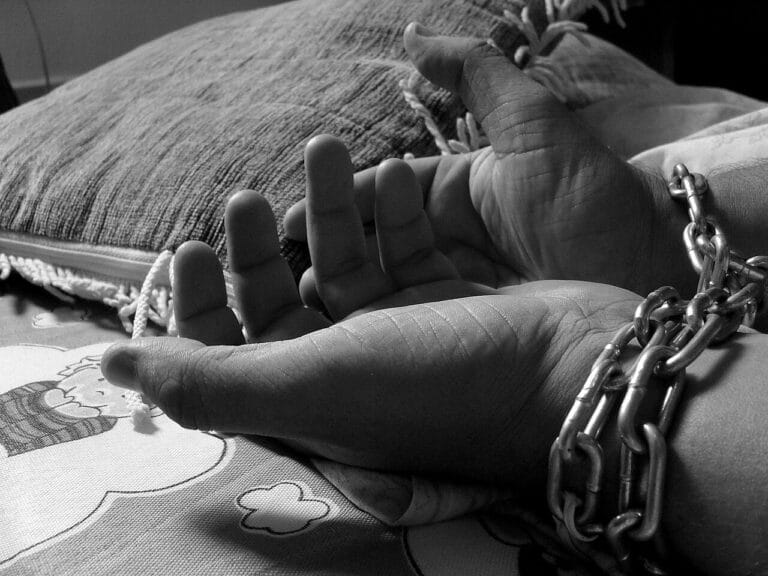
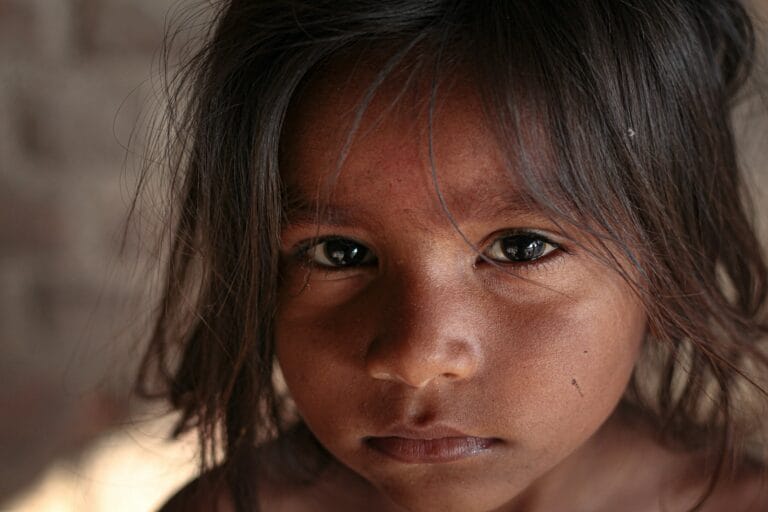
Over 50 million people are trapped in modern slavery right now. Understanding the scope of this crisis requires more than statistics. It requires real stories, robust research, and transformative insight from those on the frontlines. Authors and survivors around the world have published powerful works that can equip, inform, and inspire us all.
Below are ten books I recommend to every person serious about joining this fight. These aren’t light reads. Some will disturb you. All will change you. And that’s exactly what we need.

1. Eradicating Human Trafficking: A Transformative Approach through Collective Impact by Brittany C. Dunn & Bill Woolf
Let me start with what might be the most comprehensive resource available right now.
This book is a masterclass in understanding trafficking from every angle. Dunn and Woolf blend deep research, survivor testimony, and practical action steps in a way that speaks to activists, law enforcement, NGOs, and policymakers alike. But here’s what sets it apart: it doesn’t just tell you trafficking is bad. It shows you exactly how to fight it effectively through collective impact.
The book covers legal dynamics, psychological trauma, social systems, and collaborative response strategies. It’s holistic in the best possible way, recognizing that fighting trafficking requires multiple sectors working together with shared goals and coordinated action.
Whether you’re just beginning to learn about trafficking or you’ve been in this fight for years, this book will give you tools you didn’t know you needed. It’s not just information. It’s a transformation. It’s a roadmap for becoming part of a global movement of freedom fighters.
Who should read this: Everyone. Seriously. If you only read one book from this list, make it this one.
2. Sex Trafficking Prevention: A Trauma-Informed Approach for Parents and Professionals by Savannah Sanders
Here’s what I appreciate about Sanders’ work: she doesn’t just tell you that trafficking is happening to children. She equips you to recognize the warning signs and intervene before exploitation occurs.
Drawing from both personal experience and extensive research, Sanders provides critical insight into the root causes of trafficking and abuse. But what makes this book particularly valuable is how carefully it’s written. Sanders understands that survivors might read this book, so she avoids triggering language while still being honest about the reality of exploitation.
This is trauma-informed prevention at its finest. Sanders explains how adults can identify vulnerability, recognize grooming behavior, and create protective environments for children. She doesn’t sugarcoat the darkness, but she also doesn’t sensationalize it.
If you’re a parent, teacher, counselor, youth pastor, or anyone who works with children, you need this book. The information Sanders provides could literally save a child’s life. And in a world where children are being trafficked at alarming rates, that’s not hyperbole.
Who should read this: Parents, teachers, counselors, youth workers, and anyone involved in child protection.
3. Blood and Earth: Modern Slavery, Ecocide, and the Secret to Saving the World by Kevin Bales
This book will challenge everything you think you know about the connection between environmental destruction and human trafficking.
Bales examines how poverty, ecological crisis, and corruption create the perfect conditions for modern slavery. Through interviews, historical analysis, and on-the-ground investigation, he reveals how trafficking fuels environmental destruction and how environmental destruction creates vulnerability to trafficking.
It’s a vicious cycle that most people never consider. We think about trafficking as a human rights issue and climate change as an environmental issue, never realizing they’re intimately connected. Bales destroys that compartmentalization and shows us how fighting one requires fighting both.
The book provides actionable solutions, not just analysis. Bales isn’t content to simply describe the problem. He wants to mobilize readers toward comprehensive responses that address both slavery and ecological devastation.
This is essential reading for anyone who wants to understand the systemic issues that enable trafficking to flourish.
Who should read this: Activists, policy makers, Christians concerned about creation care, and anyone interested in the intersection of environmental and social justice.
4. Migrant Crossings: Witnessing Human Trafficking in the US by Annie Isabel Fukushima
Fukushima’s book is a detailed, academic analysis that challenges comfortable assumptions about who gets trafficked and how the justice system responds.
Drawing on court cases, her personal experience as a counselor, and rigorous research, Fukushima examines the trafficking of Asian and Latina women in informal US economies. But this isn’t dry academic writing. It’s deeply personal and profoundly challenging.
She forces readers to confront how our assumptions about “deserving victims” shape who gets helped and who gets ignored. She exposes how law enforcement and service providers often fail migrant women precisely because those women don’t fit the stereotypical image of a trafficking victim.
This book will make you uncomfortable. It should. Because our comfortable stereotypes are getting people killed.
Who should read this: Anyone interested in the intersections of law, migration, labor exploitation, and racial justice. Essential for service providers and law enforcement.
5. Walking Prey: How America’s Youth are Vulnerable to Sex Slavery by Holly Austin Smith
Holly Austin Smith was trafficked as a teenager. This is her story, and it’s devastating.
What makes this book particularly powerful is how Smith combines memoir with research to show that trafficking doesn’t just happen to “those kids” in “those situations.” She came from a suburban, middle-class background. She had a family. She went to school. And she was still trafficked.
Smith shatters the myth that trafficking only happens to runaways or kids from broken homes. The reality is that modern dangers threaten all youth, and traffickers have become frighteningly sophisticated at identifying and exploiting teenage vulnerabilities.
The book includes practical resources in the appendix, making it both a personal testimony and a practical guide for prevention. Parents, teachers, and law enforcement have praised it for providing actionable insight that goes beyond awareness to actual protection.
This is not an easy read. But it’s a necessary one, especially for anyone who works with teenagers or has children of their own.
Who should read this: Parents of teenagers, teachers, youth workers, law enforcement, and anyone who thinks trafficking “couldn’t happen here.”
6. She is Safe: An Exposé of the Dark World of Human Trafficking by Emma van der Walt
This one hits close to home for us at Beyond Salvation because Emma van der Walt is South African, a pastor, and an activist who has been on the frontlines of fighting trafficking in our own country.
Van der Walt shares both her own story and the journeys of rescued women who’ve been restored through faith, advocacy, and collaboration with law enforcement. This is a deeply Christian account that doesn’t shy away from the spiritual warfare dimension of trafficking while also providing practical insight into rescue and restoration.
What I appreciate about this book is how it reveals both the terror and the hope. Van der Walt doesn’t minimize the horror of what trafficking victims endure, but she also testifies to the power of God’s redemption in the lives of survivors. She shows us what compassionate intervention looks like when the Church actually does what it’s called to do.
If you’re a South African Christian who wants to understand trafficking in your own context and see what an effective Christian response looks like, this is essential reading.
Who should read this: South African Christians, church leaders, and anyone interested in faith-based anti-trafficking work.
7. Human Trafficking in South Africa
This book is specifically focused on the South African context, examining the various forms of trafficking takes here: sexual exploitation, child trafficking, labor trafficking, and even organ trafficking.
It evaluates strategies for prevention, protection, prosecution, and partnerships within the South African legal framework. The book traces developments from the collapse of apartheid through present times, showing how political and social changes have impacted trafficking patterns and responses.
What makes this particularly valuable is how it addresses Trafficking in Persons (TIP) within African communities and legal frameworks specifically. Too much anti-trafficking literature focuses on Western contexts. This book centers on our reality, our laws, our challenges, and our opportunities for action.
If you’re serious about fighting trafficking in South Africa, you need to understand the South African context. This book provides that foundation.
Who should read this: South African advocates, church leaders, law enforcement, policymakers, and anyone wanting to work on trafficking issues locally.
8. Girls Like Us: Fighting for a World Where Girls Are Not for Sale by Rachel Lloyd
Rachel Lloyd is a survivor of England’s commercial sex industry who went on to found GEMS, a nonprofit serving sexually exploited youth in the United States.
This book combines her personal story with her activism and advocacy work. Lloyd’s testimony is both riveting and hope-filled. She doesn’t just tell you what happened to her. She shows you how she transformed her trauma into a movement that’s changed lives and policies.
In fact, Lloyd’s advocacy helped change laws to recognize sexually exploited children as victims rather than criminals. That’s a massive policy shift that came directly from a survivor speaking truth to power.
This book will break your heart and then fill it with hope. You’ll weep for what Lloyd endured, and then you’ll be inspired by what she’s accomplished. It’s a testament to the resilience of survivors and the power of one person to create systemic change.
Who should read this: Anyone who needs to understand the reality of domestic sex trafficking and the power of survivor leadership.
9. Sold by Patricia McCormick
This is the only novel on the list, but don’t let that fool you. “Sold” is based on extensive research and real stories of girls trafficked in Nepal and India.
McCormick spent time in Calcutta’s red-light district, interviewing survivors and documenting their experiences. She then crafted those true stories into an accessible narrative that’s powerful for both awareness and empathy.
What makes this book particularly valuable is that it’s appropriate for younger readers. If you have teenagers or you work with youth, this is a way to introduce them to the reality of trafficking without exposing them to graphic content. The book is sensitive to the real horrors while still making the issue accessible and emotionally impactful.
“Sold” has been used in countless schools and youth groups to raise awareness about global trafficking. It’s a tool for starting difficult conversations in age-appropriate ways.
Who should read this: Teenagers, young adults, teachers, youth workers, and anyone who wants to understand trafficking through narrative rather than statistics.
10. Human Trafficking: The Complexities of Exploitation (Edited by Margaret Malloch & Paul Rigby)
This is the most academic book on the list, and I’m including it because some of you need to go deep into the research, theory, and policy analysis.
This collection brings together expert insights on trafficking from multiple disciplines and perspectives. It sets trafficking within legislative and theoretical contexts, includes practitioner perspectives, and discusses global responses and support models.
If you’re a researcher, policymaker, academic, or someone who needs to understand the complexity of exploitation at a scholarly level, this is your book. It’s not light reading, but it’s comprehensive and rigorously researched.
The book doesn’t oversimplify. Instead, it embraces the complexity of trafficking and provides a nuanced analysis that respects how multifaceted this issue truly is.
Who should read this: Researchers, policy makers, academics, graduate students, and anyone wanting expert-level analysis.
Why This Reading List Matters for Christians
Let me be direct about something: too many Christians treat trafficking as an issue we talk about but never actually study. We’ll share social media posts and say “how terrible,” but we won’t invest the time to truly understand what we’re up against.
That needs to change.
These books reveal how faith, prayer, and compassionate care can rescue and restore those lost to human trafficking. They show us what the Church looks like when it actually lives out Isaiah 61. They provide actionable tools for parents, leaders, and communities to protect the vulnerable, advocate for justice, and collaborate for change.
Books like “She is Safe” and “Human Trafficking in South Africa” speak directly to us as South African Christians. They show us what’s happening in our own neighborhoods and what we can do about it.
Jesus said in Matthew 25:40, “As you did it to one of the least of these, my brothers, you did it to me.” Every time we choose ignorance over education, comfort over discomfort, we’re turning away from Christ Himself.
These books are tools. They’re weapons in the fight for freedom. They’re investments in your own transformation from someone who cares about trafficking to someone who actually does something about it.
Your Assignment
Here’s what I’m asking you to do: pick at least two books from this list and commit to reading them in the next three months.
Not someday. Not eventually. In the next three months.
If you’re a parent, read Sanders’ “Sex Trafficking Prevention” and Smith’s “Walking Prey.”
If you’re a South African Christian, read van der Walt’s “She is Safe” and “Human Trafficking in South Africa.”
If you’re serious about deep engagement with this issue, start with Dunn and Woolf’s “Eradicating Human Trafficking” and go from there.
Don’t just add them to your wish list, buy them, read them, and let them change you.
Because 50 million people are enslaved right now, and our comfortable ignorance is part of what allows that to continue.
Let’s Build a Community of Informed Advocates
After you read one of these books, come back to Beyond Salvation and tell us about it. What did you learn? How did it change you? What are you going to do differently now?
Let’s build a community of people who aren’t just aware of trafficking but are actually equipped to fight it. People who’ve done the hard work of education and are ready for the harder work of action.
Share which books you’re committing to read. Tag someone who needs to read this list. Start a book club at your church focused on anti-trafficking literature.
Because information without transformation is worthless. But information that leads to action? That changes everything.
TAKE ACTION NOW
Commit to reading: Pick two books from this list and commit to reading them in the next three months
Support the fight: Every book purchase can include a donation to A21’s Freedom Campaign
Start a book club: Bring this reading list to your small group or church and read together
Share your learning: After reading, share what you learned with #BeyondSalvation #EndTrafficking
Pray: For wisdom as you learn, for the Holy Spirit to transform your knowledge into action, and for every person trapped in slavery
Which book will you start with? Drop a comment below and commit publicly to your reading goal. Accountability matters.
John Thole is the voice behind Beyond Salvation, a blog that captures the highs and lows of life through faith, laughter, and honest reflection. With a passion for storytelling, technology, and spiritual growth, he creates content that resonates with seekers, believers, and anyone navigating life’s journey. Whether sharing personal insights, devotionals, or thought-provoking discussions, John aims to inspire, uplift, and spark meaningful conversations.